


Tinker Tailor
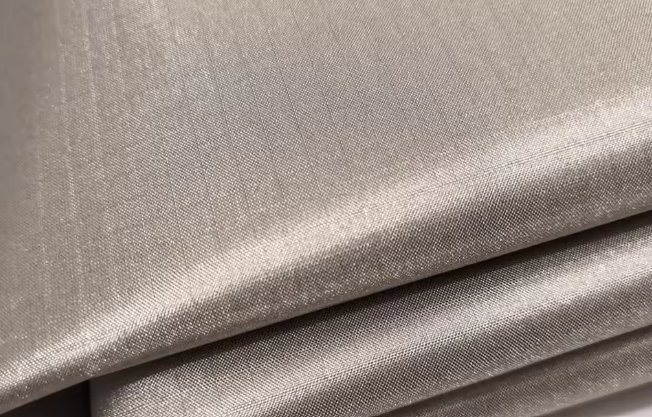
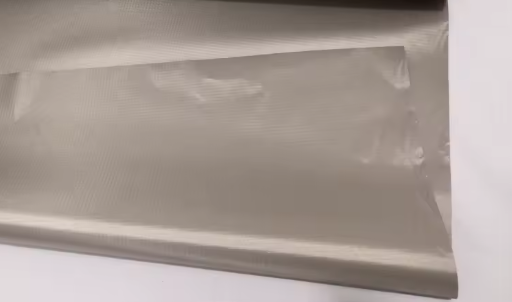
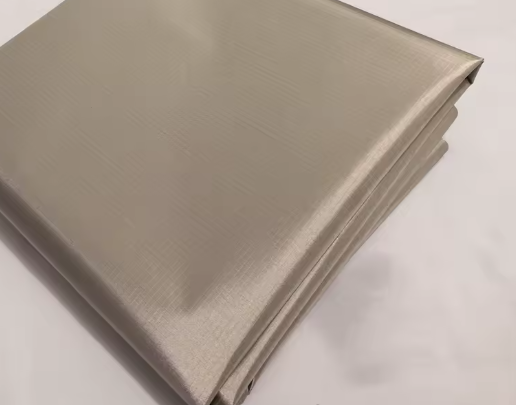
Anti-Oxidation Copper-Nickel Ripstop Conductive Fabric, 30 x 30cm
Anti-Oxidation Copper-Nickel Ripstop Conductive Fabric, 30 x 30cm
Couldn't load pickup availability
Not sure which fabric? Compare every conductive fabric by material, stretch and best use.
Conductive Fabric Guide →Canadian-owned and packed by hand in Nova Scotia, so there's no cross-border duty or brokerage. Shipping rates
Explore conductive textiles with this 30 x 30cm copper-nickel conductive fabric, featuring a plaid ripstop weave for tear resistance. It is sold for RF and EMF shielding applications, and the supplier describes it as anti-oxidation.
Ships next business day from Nova Scotia · 30-day returns · Questions? cmoz@tinkertailor.ca
Add this too

$5.95


Details
What makes it different?
The ripstop weave gives this fabric a reinforced plaid structure that helps resist tearing. Its copper-nickel construction makes it an option to explore when comparing conductive fabrics for your next textile experiment or shielding prototype.
Product details
- Conductive material: Copper-nickel
- Weave: Plaid ripstop
- Feature: Tear-resistant construction
- Supplier description: Anti-oxidation
- Size: 30 x 30cm
- Sold for: RF and EMF shielding applications
Before you build
Start with a small test piece to check how the material works in your design. Electrical resistance, shielding attenuation, frequency range and care specifications have not been provided for this fabric, so test its performance for your intended application rather than assuming it matches another conductive textile. The supplier's anti-oxidation description is not a guarantee that the fabric will never oxidize.
Explore related conductive fabrics
- Nickel Conductive Fabric, Diamond Ripstop: Compare another copper-nickel ripstop fabric in a 25 x 27cm size.
- Copper Conductive Fabric with Adhesive Backing: Explore a self-adhesive option for cut-and-stick prototyping.
- Silver Woven Stretch Conductive Fabric: Consider a stretchy alternative for soft-circuit projects that need flexibility.
Touch test
Pick a material, then touch or hover over the swatch to try closing the circuit.